
Service
Dog and cat neutering
For us, no animal is "just another surgery". When you trust us with neutering your dog or cat, we look after them throughout the whole process: before, during and after the procedure.
Your animal's safety comes before carrying out surgery at any cost. That is why we assess each case calmly, tailor the anaesthesia to each patient and, when needed, recommend waiting.
During their stay we keep a close eye on every animal and make the environment as stress-free as possible, so recovery is calm and well supported.
- Pre-surgical assessment of every animal
- Tailored anaesthesia and full monitoring
- A calm setting and, whenever possible, no cages
- Close follow-up throughout recovery
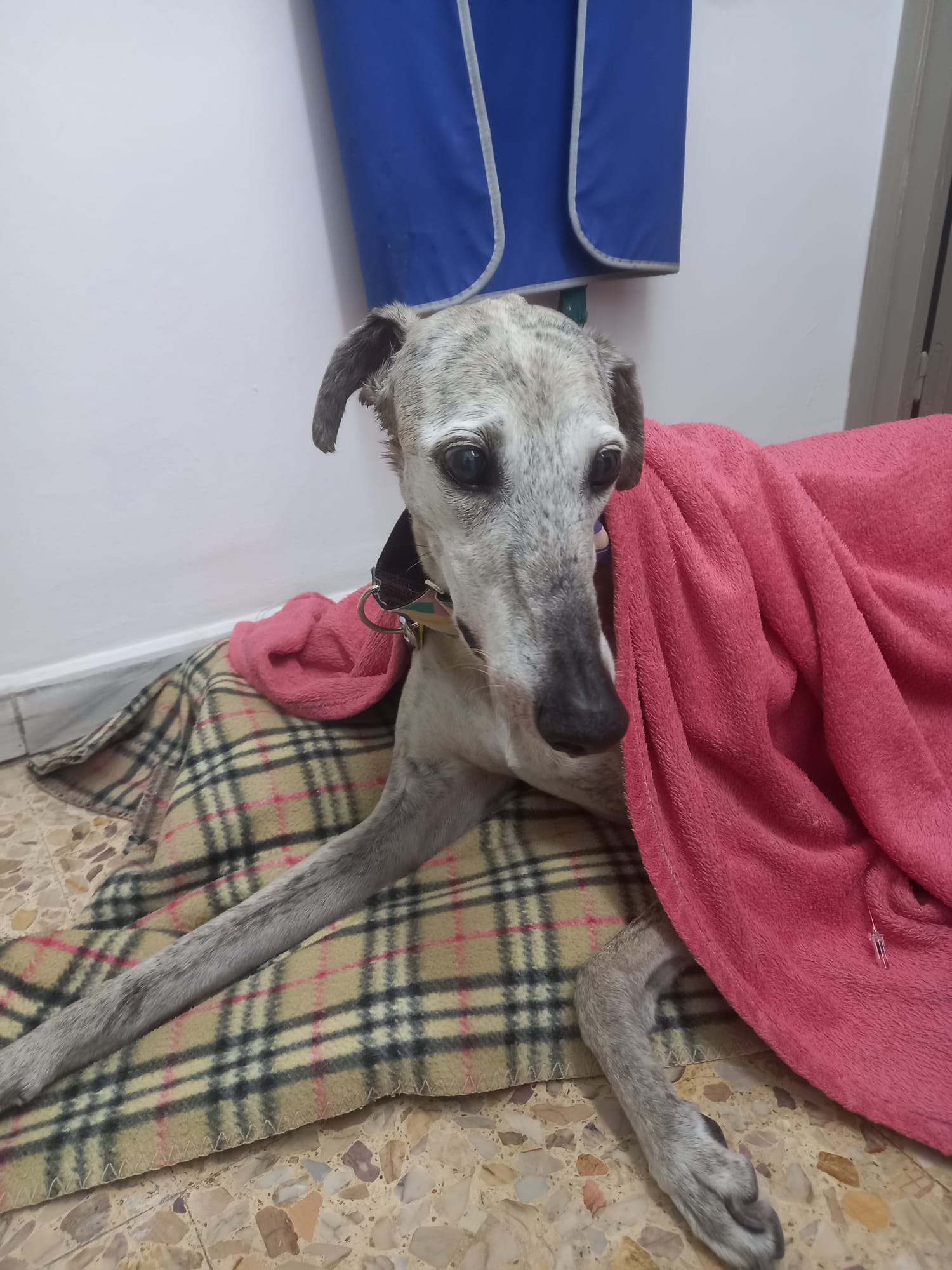
How we look after them during their stay
We know leaving your animal at the clinic isn't easy. Throughout their stay we keep a close eye on them, put their wellbeing first and help them feel as calm as possible.
We avoid using cages whenever the animal's condition and safety allow, especially for large dogs, who rest on wide, comfortable beds. We want waking up and the first hours of recovery to be calm and accompanied.
Pre-surgical assessment: the basis of safe surgery
Before any neutering procedure we assess the animal's overall health: age, history, examination and, when needed, further tests.
In females, spaying is abdominal surgery that requires general anaesthesia and a precise, sterile surgical technique.
Blood tests show us how the animal is doing before anaesthesia and can reveal changes that aren't visible from the outside. Depending on the results, we may adapt the anaesthetic protocol or, if that is the most prudent choice, recommend postponing the procedure. The need for a pre-surgical blood test is assessed individually, depending on age, health status and each animal's characteristics. For female spays, a full pre-surgical blood test is included in our protocol and in the price.
During surgery we use inhalation anaesthesia and monitor the animal continuously until they wake up.
Why neuter
Neutering can bring health and day-to-day benefits, but it is not the same decision for every animal. The right timing depends on species, size, breed and individual history, and we discuss it with you before deciding.
- Prevents unwanted litters and helps reduce abandonment
- In females, when the corresponding reproductive tissue is removed, it eliminates the risk of uterine infection (pyometra) and stops heat cycles and their discomforts, such as bleeding or false pregnancies
- In females, it may reduce the risk of mammary tumours, especially depending on when the procedure is carried out
- In males, it removes the risk of testicular tumours and may reduce some prostate problems
- In males, it may reduce behaviours linked to sex hormones, such as marking or roaming, although not all behavioural problems disappear with castration
How we perform the procedure
In females, spaying is performed by ovariectomy or ovariohysterectomy; the technique is chosen case by case, at the veterinary surgeon's judgement. In males, castration consists of removing the testicles.
Whenever the case allows, we work with the smallest possible incision and a careful surgical technique, aiming to reduce tissue trauma and support a good recovery.
Recovery
- Animals usually go home the same day, once they are fully awake and calm
- We give you written medication and care instructions
- The cone stops them licking the wound
- Activity should be limited for a few days, as we advise
- At the post-op check we make sure everything is healing well, and you can ask us anything
Prices and what they include
We share our prices clearly so you know from the start what the procedure includes.
Dogs
- Male dog under 20 kg
- 317 €
- Male dog over 20 kg
- 339 €
- Female dog under 20 kg
- 383 €
- Female dog 20–30 kg
- 405 €
- Female dog over 30 kg
- 450 €
Cats
- Male cat
- 98 €
- Female cat
- 240 €
All prices include
- Inhalation anaesthesia
- Full monitoring during surgery
- Sterile surgical material
- Post-operative medication
- Recovery cone
- Post-operative check-up
For females (cats and dogs), a full pre-surgical blood test is also included.
Frequently asked questions
At what age can my pet be neutered?+
It depends on species, size and breed. At a prior visit we will recommend the right moment for your animal.
Why do you run blood tests before spaying females?+
Because it is abdominal surgery under general anaesthesia. Blood tests help us confirm the animal is in good condition and adapt the anaesthesia or, if needed, postpone the procedure.
Will my pet be kept in a cage?+
Whenever their condition and safety allow, we avoid cages, especially for large dogs. We want them to feel calm and accompanied.
Does my pet need to fast?+
Yes. When you book we will tell you how to prepare and how many hours of fasting are needed.
Will my pet put on weight afterwards?+
Energy needs can change. With adapted food and exercise a healthy weight can be maintained, and we will guide you.
How can I book?+
You can book online, call us, message us on WhatsApp or send a request from the home page.
Dog and cat neutering
For us, no animal is "just another surgery". When you trust us with neutering your dog or cat, we look after them throughout the whole process: before, during and after the procedure.
Book online🕘Monday to Friday · 9:00 am – 8:00 pm